

Your acne finally cleared after years of dealing with it. Great. Except now your face looks like the moon’s surface with scars that refuse to fade despite every article promising time heals everything. Here’s the truth: time doesn’t heal all wounds. Some acne scars stick around permanently without actual intervention. Options exist ranging from subtle improvements to dramatic changes, depending on how bad your scars are and which treatments you choose.
1. Different Scar Types Need Completely Different Fixes
Acne scars aren’t one uniform problem you can tackle with one solution. Ice pick scars are deep, narrow pits. Boxcar scars have sharp defined edges, like someone carved tiny boxes into your face. Rolling scars create wave-like dips and valleys. Treatments that work amazingly for one type barely touch others.
Read More : What is a BMI Calculator and Why Should You Use it?
An expert evaluation determines the nature and severity of your scars and points you in the direction of effective therapies. In addition to wasting time and money, trying therapies at random in the hopes that something would work might worsen scars.
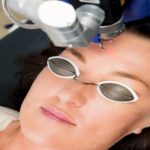
Laser Skin Treatments Indianapolis clinics provide vary hugely depending on scar type and your skin tone. Some lasers work beautifully on pale skin but cause serious pigmentation problems on darker tones. Experienced providers match treatments to your individual situation, avoiding complications from choosing the wrong options.
2. Microneedling Tricks Your Skin Into Making Collagen
Microneedling means rolling tiny needles across your face, creating controlled injury. Sounds insane, but it works. The damage triggers your body’s healing response, including ramped-up collagen production. That new collagen gradually fills depressed scars, raising them closer to normal skin level.
Professional medical microneedling goes way deeper than those cheap rollers you can buy online, producing actual results instead of just irritation. Treatments hurt somewhat, but aren’t unbearable. Most people handle them fine with numbing cream slapped on first.
You’ll need multiple sessions about a month apart. After each one, your skin looks red and puffy for several days, like mild sunburn. Improvement builds gradually over months. Don’t expect dramatic transformation after one session, or you’ll get discouraged and quit before anything actually happens.
Combining microneedling with radiofrequency or PRP (your own blood’s growth factors) boosts results. RF microneedling heats tissue while needling, stimulating even more collagen. PRP uses your body’s own healing factors, speeding up the process.
3. Chemical Peels Strip Away Damaged Layers
Chemical peels remove damaged skin layers revealing smoother skin underneath while kicking collagen production into gear. Light peels tackle texture and surface scarring with barely any downtime. Medium and deep peels go after more serious scarring but you’ll need actual recovery time, looking like you got in a fight.
Multiple light peels often work better with less risk than one aggressive deep peel. Gradual improvement looks more natural and lets you stop if you’re happy with results before getting into deep peel territory requiring serious recovery, most people can’t take off work.
Peels work great for shallow rolling scars and overall texture problems. Deep ice pick scars need more aggressive stuff.
4. Lasers Vaporize Damaged Skin And Stimulate New Growth
Ablative lasers essentially vaporize outer skin layers, removing damaged surface while stimulating new collagen underneath. Results can be really dramatic, but recovery is rough. You look like you had severe sunburn for weeks while healing, which most people realistically can’t manage.
Fractional lasers only treat scattered spots of skin, leaving areas between untouched for faster healing. They’re gentler than full ablative but less aggressive on scars. Multiple fractional sessions build improvement without one long miserable recovery period.
Non-ablative lasers heat skin without removing anything, stimulating collagen with almost no downtime. Results are way subtler than ablative lasers, but there’s no obvious recovery where everyone asks what happened to your face. These work best for milder scarring or people who absolutely can’t take time off.
5. Subcision Cuts Tethers Pulling Skin Down
Rolling scars happen when fibrous bands underneath pull skin downward, creating depressions. Subcision involves sticking a needle under your skin and breaking those bands, releasing the tethering. Once released, skin bounces back closer to normal level.
Sounds medieval, but works remarkably well for specific scar types. You’ll have bruising for a week or two afterwards. Results show up gradually as skin settles into its new position over several weeks, not immediately like fillers.
Combining subcision with filler injections gives immediate improvement while waiting for natural healing to kick in. The filler props skin up in its new position while your body forms collagen filling the space permanently.
6. Fillers Give Instant Results But Aren’t Permanent
Injectable fillers lift depressed scars immediately by adding volume underneath them. Results happen instantly, unlike treatments requiring months of waiting for collagen to form. Fillers work great for certain scars, but they’re definitely not permanent, which frustrates people wanting one-and-done solutions.
Read More : Evan Bass Men’s Clinic Lists a Few Reading Strategies for Busy Individuals
Hyaluronic acid fillers last six to eighteen months before your body dissolves them, meaning you need repeat treatments maintaining results. They’re reversible if you hate how they look, providing a safety net. Longer-lasting fillers exist, but reversing them if something goes wrong is really difficult.
Fillers work best for a few specific deep scars rather than covering your whole face. Using fillers for extensive scarring gets expensive fast, requiring constant maintenance. They’re perfect for spot-treating scars that really bother you while using other treatments for overall improvement.
Conclusion
Acne scars that refuse fading naturally need actual intervention. Microneedling stimulates collagen filling depressions, chemical peels improve texture and surface scars, lasers remove damaged layers while kicking new collagen into production, subcision releases tethered rolling scars, fillers provide instant volume, and realistic expectations prevent disappointment when results are really good but not absolutely perfect.
Professional assessment guides you toward treatments that’ll actually work for your specific situation instead of wasting time and money on stuff that won’t help or could make things worse.


Leave a Reply
You must be logged in to post a comment.