
Chronic and slow-healing wounds can be frustrating, painful, and disruptive to everyday life. When traditional wound care treatments are not enough, advanced therapies may provide the additional support the body needs to heal. One of the most effective and well-researched options is Hyperbaric Oxygen Therapy in wound care.
Hyperbaric Oxygen Therapy (HBOT) has become an important tool in modern wound management, especially for complex or non-healing wounds. By delivering high concentrations of oxygen in a pressurized environment, HBOT enhances the body’s natural healing processes at the cellular level. In this article, we’ll explore the key advantages of hyperbaric oxygen therapy in wound care and why it may be a powerful addition to a comprehensive treatment plan.
What Is Hyperbaric Oxygen Therapy?
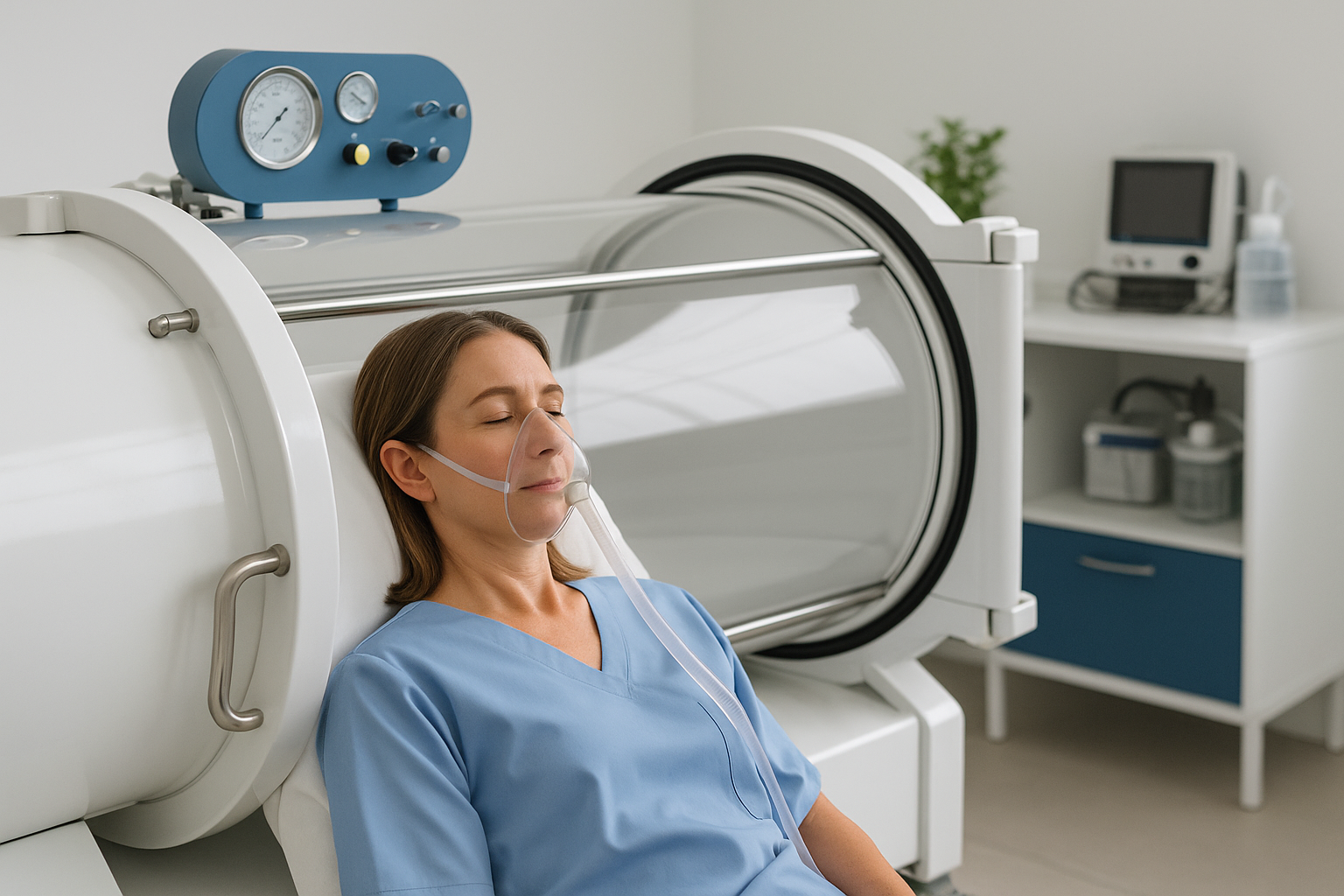
Hyperbaric Oxygen Therapy is a medical treatment that involves breathing 100% oxygen inside a specially designed, pressurized chamber. Under increased atmospheric pressure, the lungs can absorb significantly more oxygen than they would under normal conditions. This oxygen-rich blood then circulates throughout the body, delivering higher concentrations of oxygen directly to damaged tissues.
Read More : What is a BMI Calculator and Why Should You Use it?
Oxygen plays a critical role in wound healing. It supports collagen production, new blood vessel formation, immune function, and tissue repair. When oxygen supply is limited—due to poor circulation, infection, or underlying conditions—wounds may struggle to heal. HBOT helps overcome this limitation.
Why Oxygen Is Essential for Wound Healing
Every stage of wound healing depends on adequate oxygen levels. Without sufficient oxygen, the body cannot efficiently carry out the processes required to repair damaged tissue.
Collagen Production and Tissue Formation
Collagen is a key structural protein in the body and an essential building block for new tissue. Oxygen is required for collagen synthesis. Hyperbaric Oxygen Therapy in wound care enhances oxygen delivery, helping support stronger and more organized tissue development.
Angiogenesis (New Blood Vessel Growth)
For wounds to heal properly, new blood vessels must form to supply nutrients and oxygen. HBOT stimulates angiogenesis, which improves long-term circulation in the affected area. Better circulation means improved healing potential even after therapy sessions are complete.
Immune System Support
White blood cells rely on oxygen to effectively fight bacteria. Increased oxygen levels enhance the body’s natural infection-fighting capabilities, making HBOT especially valuable for wounds complicated by infection.
Key Advantages of Hyperbaric Oxygen Therapy in Wound Care
Hyperbaric oxygen therapy offers several distinct benefits that make it a powerful addition to advanced wound care strategies.
1. Accelerates Healing in Chronic Wounds
Chronic wounds—such as diabetic foot ulcers, pressure injuries, and certain surgical wounds—often remain stuck in the inflammatory phase of healing. HBOT helps shift the wound environment into active repair mode by supplying the oxygen necessary for cellular regeneration.
By improving oxygenation at the tissue level, hyperbaric oxygen therapy can help reduce healing time and improve overall outcomes when combined with standard wound care practices.
2. Reduces Swelling and Inflammation
Inflammation is a natural part of healing, but excessive or prolonged inflammation can delay recovery. The pressurized environment used during HBOT helps reduce tissue swelling while delivering oxygen that supports balanced inflammatory responses.
This combination can create a more favorable healing environment for damaged tissues.
3. Enhances Infection Control
One of the most important advantages of Hyperbaric Oxygen Therapy in wound care is its role in infection management. Higher oxygen levels can inhibit the growth of certain harmful bacteria and improve the effectiveness of the immune system.
For patients dealing with complex or recurring infections, HBOT can be an important supportive therapy alongside antibiotics and proper wound management.
4. Improves Outcomes in Diabetic Wound Care
Patients with diabetes often experience reduced circulation and nerve damage, which increases the risk of non-healing wounds. HBOT helps improve oxygen delivery in areas where circulation is compromised, supporting tissue repair and potentially reducing complications.
In appropriate cases, hyperbaric oxygen therapy may help lower the risk of severe outcomes when integrated into a comprehensive diabetic wound care plan.
5. Supports Post-Surgical Healing
After surgery, especially in areas with compromised blood flow, healing may be delayed. HBOT can enhance tissue oxygenation, support incision healing, and help reduce complications in select patients.
This makes hyperbaric oxygen therapy a valuable consideration in certain post-surgical wound care protocols.
What to Expect During Hyperbaric Oxygen Therapy
HBOT sessions typically take place in a specialized chamber at a medical facility. During treatment, patients relax comfortably while breathing pure oxygen. Sessions usually last between 60 and 120 minutes, depending on the treatment plan.
Read More : Evan Bass Men’s Clinic Lists a Few Reading Strategies for Busy Individuals
The number of sessions required varies based on the severity and type of wound. Your provider will develop a customized plan tailored to your specific condition and healing goals.
Is HBOT Safe?
Hyperbaric oxygen therapy is generally well-tolerated when administered by trained professionals. As with any medical treatment, it is important to undergo a thorough evaluation to determine candidacy. A qualified provider will review your medical history and ensure the therapy aligns with your overall health needs.
Who May Benefit from Hyperbaric Oxygen Therapy?
HBOT may be recommended for individuals with:
- Chronic or non-healing wounds
- Diabetic foot ulcers
- Radiation-related tissue damage
- Compromised surgical wounds
- Severe soft tissue infections
It is most effective when integrated into a comprehensive wound care program that includes proper cleaning, debridement when necessary, infection management, and ongoing monitoring.
Final Thoughts: A Powerful Tool in Advanced Wound Care
The key advantages of Hyperbaric Oxygen Therapy in wound care lie in its ability to enhance the body’s natural healing processes through increased oxygen delivery. By accelerating tissue repair, supporting immune function, reducing inflammation, and encouraging new blood vessel growth, HBOT offers meaningful benefits for patients struggling with difficult wounds.
If you or a loved one is facing a wound that isn’t healing as expected, speaking with a qualified wound care specialist about hyperbaric oxygen therapy may be an important next step. With the right combination of advanced treatments and personalized care, improved healing outcomes are possible.




Leave a Reply
You must be logged in to post a comment.